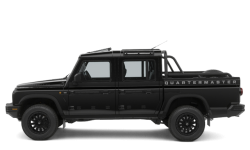
Is the 2026 Grenadier Quartermaster’s Underbody Protected for Rocky Trails?
September 23 2026,
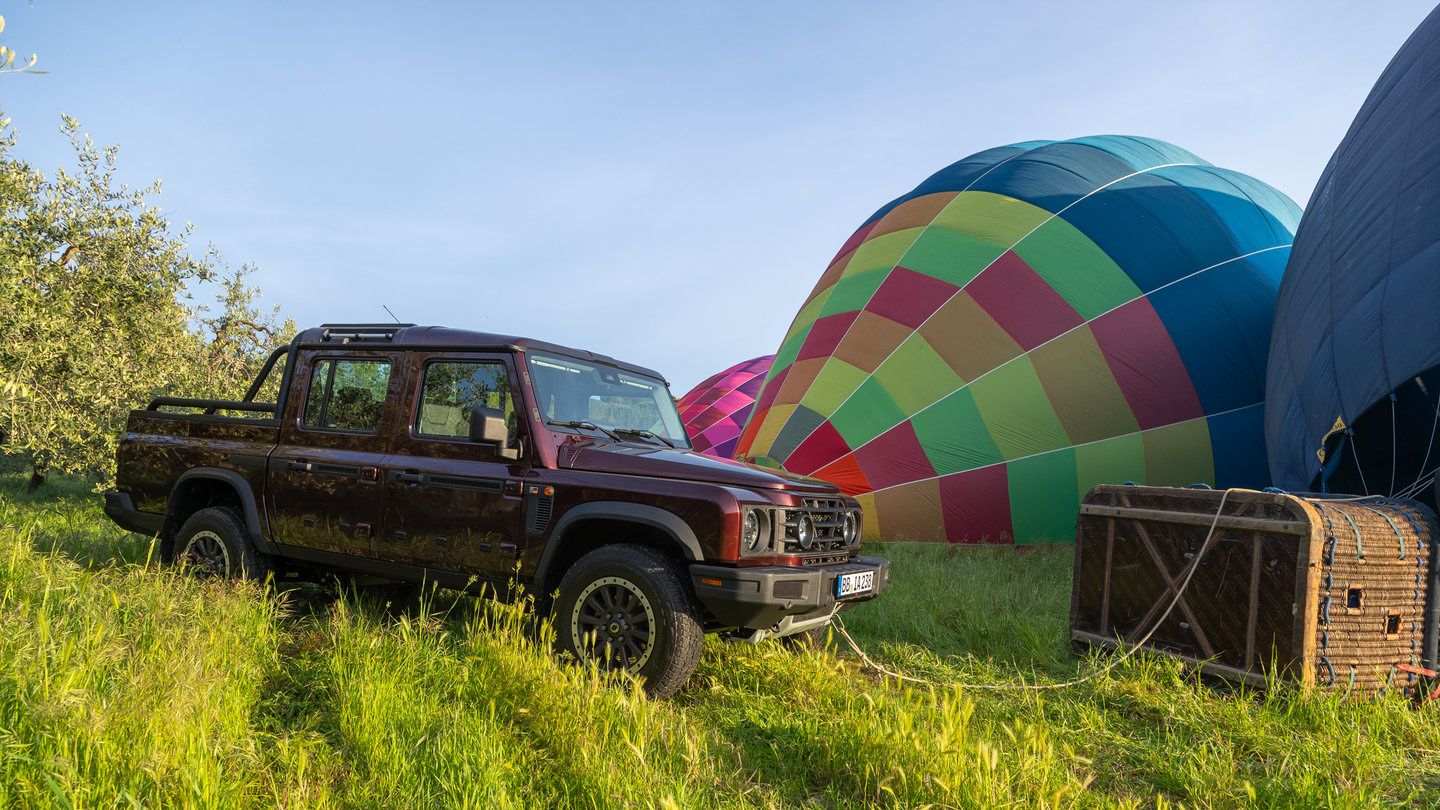
Quebec back roads and cottage trails don’t care about marketing copy. Loose rock, exposed ledges, and washed-out ruts test what’s actually bolted underneath a truck, not what’s printed on a brochure.
The 2026 Grenadier Quartermaster is built around that reality. Before you take one off pavement, it helps to understand exactly what hardware is doing the work and why it matters once the terrain gets rough.
What the Underbody Protection Actually Is
The Quartermaster’s foundation is a full box-section ladder-frame chassis, with steel sections up to 3.5 mm thick for rigidity. Standard underride protection includes front and rear skid plates, plus dedicated shielding for the 90 L fuel tank, so the components most exposed to rock strikes and ledge contact are covered before you ever leave the shop.
The frame itself gets a full E-coat (a cathodic dip coating) followed by internal cavity wax and an exterior powder coat, a three-layer approach aimed at long-term corrosion resistance rather than a single spray-on finish. The powder coat also protects the underride shielding from stone chips and scrapes. Ineos backs the ladder frame with a 12-year anti-perforation warranty.
How the Hardware Works Together on the Trail
Ground clearance sits at 264 mm, which sets the baseline for how much rock and debris the underbody can clear before something touches down. Clearance alone doesn’t tell the whole story, though. The angles at which the truck approaches, crests, and exits an obstacle matter just as much.
The Quartermaster’s approach angle is 35.5 degrees, its breakover angle is 26.2 degrees, and its departure angle is 22.6 degrees. Together, these three numbers determine whether the front bumper, the belly, or the rear bumper makes contact first on a steep ledge or a sharp crest.
|
Angle |
Measurement |
|
Approach |
35.5° |
|
Breakover |
26.2° |
|
Departure |
22.6° |
|
Ground clearance |
264 mm |
Underneath, permanent four-wheel drive runs through an Ineos-designed, Tremec-built two-speed transfer case with a lockable centre differential, usable in both high and low range. Low range carries a 2.5:1 ratio, which trades speed for control when the truck is picking its way over broken rock rather than covering distance.
The five-link front and rear suspension, paired with Carraro solid beam axles, allows 9 degrees of front axle articulation and 12 degrees at the rear, for a combined 585 mm of wheel travel. On uneven rock, that travel is what keeps tires planted on the ground instead of hanging in the air, which is where traction actually comes from. All-terrain tires are standard equipment, matched to the suspension’s job of keeping contact patches loaded on broken surfaces.
A few systems handle specific trail scenarios directly. The raised air intake sits high above the front wheel arch, supporting wading through water up to 800 mm deep without drawing water into the engine. Downhill Assist brakes individual wheels on steep descents, while Uphill Assist holds the truck in place after the driver releases the brake on a climb.
Off-Road Mode and Wading Mode are switchable from the overhead control panel, adjusting how the truck manages sensors, temperature, and other systems for the conditions at hand.
Why This Matters Once You’re Off Pavement

On a rocky approach or an uneven logging road, ground clearance and angles decide whether the underbody clears an obstacle or drags across it. A skid plate absorbs a rock strike; the wrong breakover angle means the centre of the truck contacts the obstacle regardless of what’s bolted underneath.
Articulation and wheel travel matter just as much on terrain that never gets marketed as “extreme.” A rutted cottage access road or a washed-out gravel shoulder puts one wheel low and another high often enough that a stiffer, less compliant setup simply loses grip on whichever tire is left hanging.
Corrosion protection is the part that doesn’t show up on a test drive. Quebec winters bring road salt, and a chassis relying on a single coating layer degrades faster than one built with E-coat, cavity wax, and powder coat stacked together, which is the reasoning behind Ineos backing the frame with a 12-year anti-perforation warranty.
Who This Hardware Is Actually For
This level of underbody protection is aimed at people who leave pavement on purpose and do it often: overlanders hauling gear over multi-day routes, cottage-road regulars dealing with rutted or washed-out access year-round, and owners who need the 1,841 lbs (835 kg) payload and 7,716 lbs (3,500 kg) towing capacity to move a trailer or a loaded truck bed over rough ground, not just a paved driveway.
It’s worth being upfront about the tradeoff. This hardware adds weight, complexity, and a firmer, more mechanical feel to everyday driving compared with a crossover tuned purely for pavement comfort. The centre console still runs a 12.3-inch touchscreen with wireless Apple CarPlay and Android Auto, so daily usability isn’t ignored, but the Quartermaster’s engineering priorities sit with trail capability first.
Seeing the Quartermaster’s Off-Road Hardware in Person
The 2026 Grenadier Quartermaster pairs a corrosion-resistant ladder frame, factory skid plates, and a locking transfer case with the suspension travel and tire setup needed to put that protection to use on rocky, uneven terrain.
Visit HGrégoire Ineos Grenadier in Laval to look underneath the Quartermaster yourself and see how the skid plates, suspension, and drivetrain hardware line up for the trails you actually drive.